Positionality Informed Practices
Positionality Informed Practices
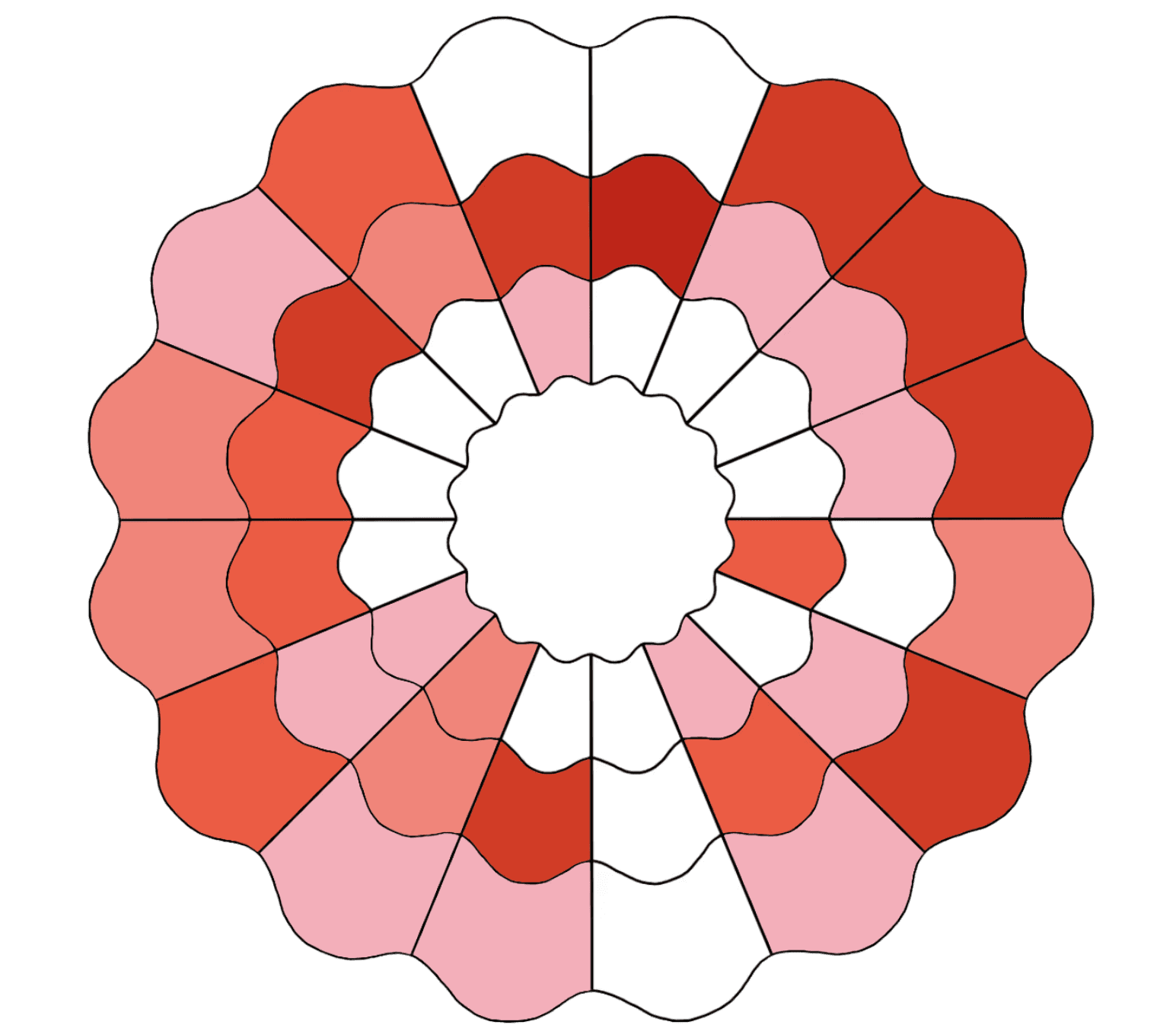
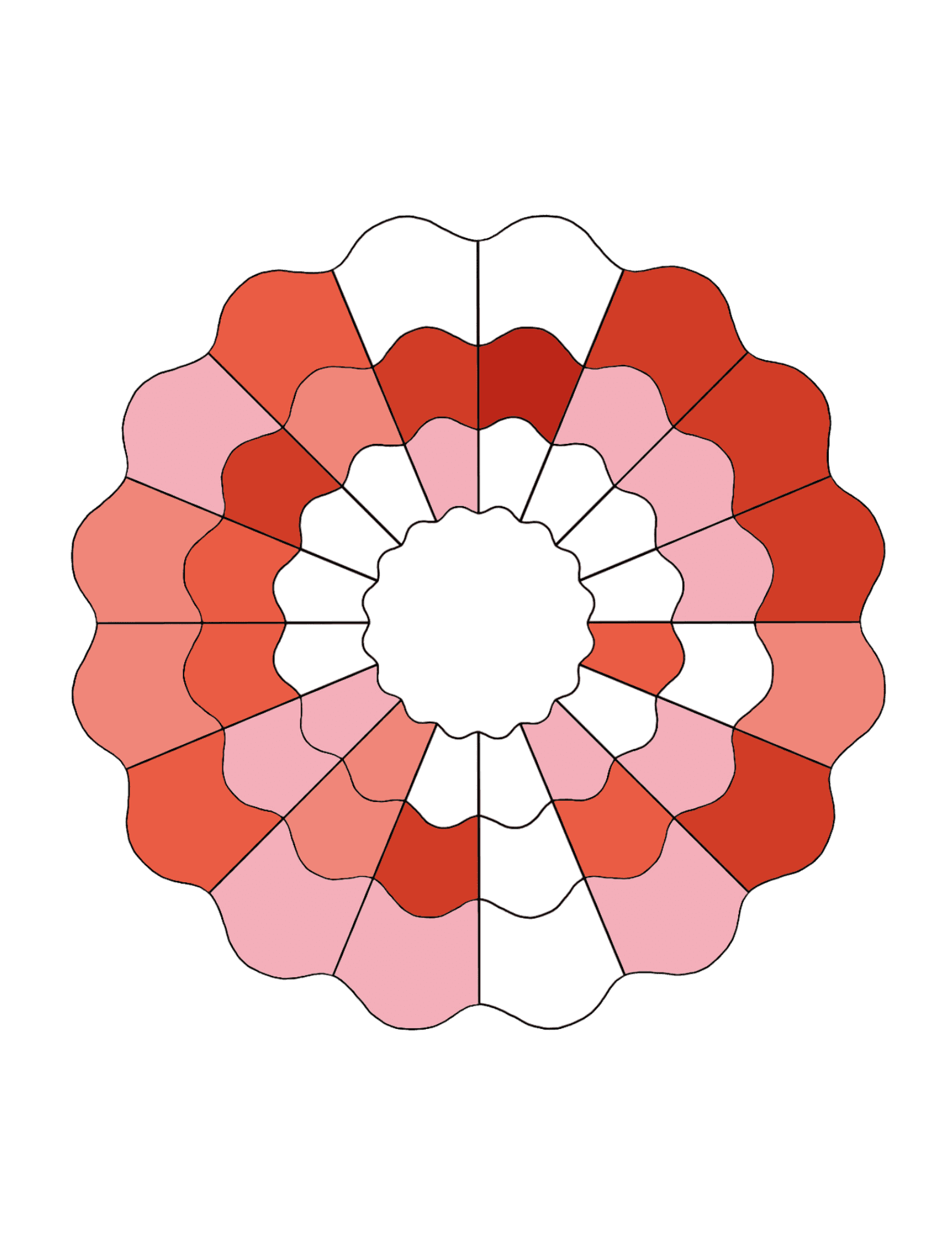


Adapted from Educating for a Change by Rick Arnold, Bev Burke, Carl James, D’Arcy Martin, and Barb Thomas (Toronto: Doris Marshall Institute for Education and Action and Between the Lines Press, 1991). Licensed under a Creative Commons Attribution-NonCommercial-ShareAlike 4.0 International License.
Adapted from Educating for a Change by Rick Arnold, Bev Burke, Carl James, D’Arcy Martin, and Barb Thomas (Toronto: Doris Marshall Institute for Education and Action and Between the Lines Press, 1991). Licensed under a Creative Commons Attribution-NonCommercial-ShareAlike 4.0 International License.
This is an Invitation…
…to Break the tool.
The Power Flower is built to be adapted. Add petals that name what your community actually navigates. Cut the ones that do not apply. Change the language until it sounds like the people using it. A tool for examining positionality cannot itself be positionless — it has to bend to the context it enters. Everything that follows is a record of it bending.
…to Break the tool.
The Power Flower is built to be adapted. Add petals that name what your community actually navigates. Cut the ones that do not apply. Change the language until it sounds like the people using it. A tool for examining positionality cannot itself be positionless — it has to bend to the context it enters. Everything that follows is a record of it bending.
Project Overview
Project Overview
The Power Flower project began as an exploration of how our identities, histories, and lived experiences shape the way we interpret the world, what we prioritize, and what we unintentionally overlook. These forces do not just influence how we imagine futures; they shape how we move through everyday life, how we understand others, and how we make decisions in personal, professional, and communal contexts. While this work has been used extensively with designers, researchers, educators, and futurists, the Power Flower itself is not a discipline-specific tool—it is a method for anyone seeking to understand how identity and power shape perception, behaviour, and meaning-making.
The original Power Flower was introduced in Educating for Change (Arnold et al., 1991) by Canadian social movement educators as a visual and participatory way to help facilitators and learners “link the social identity of educators” with those of their students. It mapped identity categories as a series of petals, each divided into an inner and outer ring representing experiences of marginalization or dominance. This simple but powerful diagram made complex intersections of power both visible and discussable, helping people understand how their social positions shape their experiences in the world.
Our contemporary iteration of the Power Flower began as a collaborative academic project in 2023 within OCAD University’s Strategic Foresight & Innovation program, developed by a five-person team: Morgan Bath, Muskaan Chandwani, Danny Ghantous, Beyza Ozmen, and Nadia Tabassum. During this initial phase, the team introduced the third, context-dependent ring which expanded the original binary model to reflect identities that shift between advantage and disadvantage depending on environment, culture, or situation. This foundational adaptation significantly broadened the tool’s reflective capacity.
After this initial academic project concluded, Danny Ghantous and I continued developing the Power Flower beyond the classroom. Through ongoing workshops, practitioner dialogues, and iterative refinement, we expanded the tool’s identity petals, clarified category definitions, and articulated the three levels of reflection, personal, collective, and social as distinct scales through which the tool could operate. These developments emerged from real-world facilitation and participant feedback, grounding the Power Flower in a flexible, “break-the-tool” ethos that encourages users to adapt it to their own contexts, communities, and needs.
At its core, the Power Flower offers a visual, accessible, and conversational way to explore positionality. It invites us to reflect on our biases, with the understanding that holding bias is not a flaw, it is a function of human cognition and asks us to think about:
Where might I hold power? Where might I carry blind spots? How might these positions shape the knowledge I produce, the relationships I form, or the decisions I make?
The Power Flower encourages this kind of reflexivity as a practice of care and accountability. It offers a shared vocabulary for navigating difference, enabling people to move beyond the myth of objectivity toward a more honest, relational understanding of how identity shapes perspective. Whether used as a private journaling tool, a group reflection exercise, or a collective mapping activity, the Power Flower becomes a catalyst for more ethical, inclusive, and self-aware practice.
What began as an academic experiment has since evolved into a multi-year, multi-format exploration. Across each iteration, the Power Flower has remained grounded in a simple premise: that if we can begin to understand how we move through the world, we can be more empathetic towards others, make more thoughtful decisions, and expand the possibilities of what we imagine and create together.
The Power Flower project began as an exploration of how our identities, histories, and lived experiences shape the way we interpret the world, what we prioritize, and what we unintentionally overlook. These forces do not just influence how we imagine futures; they shape how we move through everyday life, how we understand others, and how we make decisions in personal, professional, and communal contexts. While this work has been used extensively with designers, researchers, educators, and futurists, the Power Flower itself is not a discipline-specific tool—it is a method for anyone seeking to understand how identity and power shape perception, behaviour, and meaning-making.
The original Power Flower was introduced in Educating for Change (Arnold et al., 1991) by Canadian social movement educators as a visual and participatory way to help facilitators and learners “link the social identity of educators” with those of their students. It mapped identity categories as a series of petals, each divided into an inner and outer ring representing experiences of marginalization or dominance. This simple but powerful diagram made complex intersections of power both visible and discussable, helping people understand how their social positions shape their experiences in the world.
Our contemporary iteration of the Power Flower began as a collaborative academic project in 2023 within OCAD University’s Strategic Foresight & Innovation program, developed by a five-person team: Morgan Bath, Muskaan Chandwani, Danny Ghantous, Beyza Ozmen, and Nadia Tabassum. During this initial phase, the team introduced the third, context-dependent ring which expanded the original binary model to reflect identities that shift between advantage and disadvantage depending on environment, culture, or situation. This foundational adaptation significantly broadened the tool’s reflective capacity.
After this initial academic project concluded, Danny Ghantous and I continued developing the Power Flower beyond the classroom. Through ongoing workshops, practitioner dialogues, and iterative refinement, we expanded the tool’s identity petals, clarified category definitions, and articulated the three levels of reflection, personal, collective, and social as distinct scales through which the tool could operate. These developments emerged from real-world facilitation and participant feedback, grounding the Power Flower in a flexible, “break-the-tool” ethos that encourages users to adapt it to their own contexts, communities, and needs.
At its core, the Power Flower offers a visual, accessible, and conversational way to explore positionality. It invites us to reflect on our biases, with the understanding that holding bias is not a flaw, it is a function of human cognition and asks us to think about:
Where might I hold power? Where might I carry blind spots? How might these positions shape the knowledge I produce, the relationships I form, or the decisions I make?
The Power Flower encourages this kind of reflexivity as a practice of care and accountability. It offers a shared vocabulary for navigating difference, enabling people to move beyond the myth of objectivity toward a more honest, relational understanding of how identity shapes perspective. Whether used as a private journaling tool, a group reflection exercise, or a collective mapping activity, the Power Flower becomes a catalyst for more ethical, inclusive, and self-aware practice.
What began as an academic experiment has since evolved into a multi-year, multi-format exploration. Across each iteration, the Power Flower has remained grounded in a simple premise: that if we can begin to understand how we move through the world, we can be more empathetic towards others, make more thoughtful decisions, and expand the possibilities of what we imagine and create together.
My Role
My Role
This project has been co-developed with Danny Ghantous, with the earliest foundation emerging from a five-person SFI academic team. Over time, my role has evolved.
Academic foundation
Served as synthesizer within the original team
Bridged conceptual frameworks, team perspectives, and workshop structure
Led development of the initial workshop and facilitation materials
Design & development
Designed and co-authored the workbook
Redesigned the Power Flower model, identity categories, and visual frameworks
Created the three-ring and three-context expansion
Led the iteration and refinement of the tool across multiple contexts
Facilitation & Implementation
Co-facilitated all major workshops with Danny
Took lead on guiding participants through the reflective exercises
Managed instruction, discussion scaffolding, and group sharing
Iteration Development
Co-led the transition from workshop → installation format for the APF Conference
Led all design for the four-poster system, collective visualization, and updated petals
This project continues to evolve under our joint stewardship, with me leading design, facilitation strategy, and implementation.
This project has been co-developed with Danny Ghantous, with the earliest foundation emerging from a five-person SFI academic team. Over time, my role has evolved.
Academic foundation
Served as synthesizer within the original team
Bridged conceptual frameworks, team perspectives, and workshop structure
Led development of the initial workshop and facilitation materials
Design & development
Designed and co-authored the workbook
Redesigned the Power Flower model, identity categories, and visual frameworks
Created the three-ring and three-context expansion
Led the iteration and refinement of the tool across multiple contexts
Facilitation & Implementation
Co-facilitated all major workshops with Danny
Took lead on guiding participants through the reflective exercises
Managed instruction, discussion scaffolding, and group sharing
Iteration Development
Co-led the transition from workshop → installation format for the APF Conference
Led all design for the four-poster system, collective visualization, and updated petals
This project continues to evolve under our joint stewardship, with me leading design, facilitation strategy, and implementation.
Design Decisions
Design Decisions
Designed in Adobe Creative Suite. Across five years and four formats, most of the design work has gone into one question: what has to be true for someone to answer an honest question about themselves in a room full of people?
The diagram carries the argument. Petals for identity categories, rings for position. The original divided each petal into an inner and outer ring, marginalized or dominant. Our third ring holds the identities that move — the ones that grant advantage in one room and disadvantage in the next. That single addition is what lets the tool describe a life rather than a category, and every later refinement follows from it. By the APF installation, two years of workshop feedback had produced two further identity petals and clearer definitions across several categories.
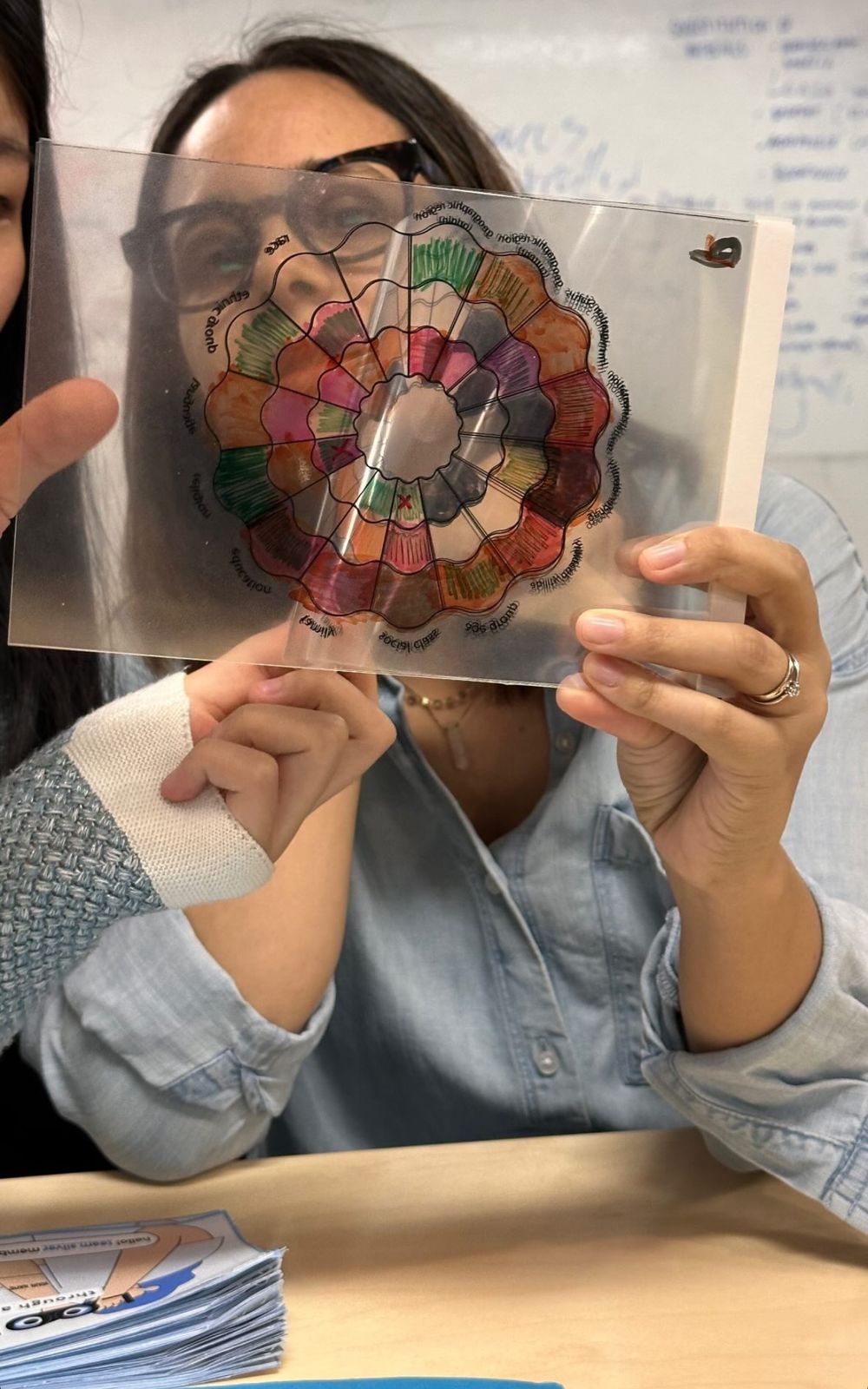
A kit, not a worksheet. The workshop format is three pieces working together: a workbook that carries the concepts and the reflection prompts, acetate transparencies for the flower itself, and a slide presentation for facilitation. The transparencies are the reason the kit exists in that form. Participants complete their flower privately, then physically layer their sheets over one another in small groups, and a collective shape appears that nobody designed. Where a group holds advantage, where it holds none, where its experiences diverge — visible in a single gesture, without anyone having to narrate their own life aloud. Analog was the right call here precisely because it is slow, physical, and shared.
Designing for the absence of a facilitator. The APF installation was the hardest design problem of the project. Removing the facilitator meant removing the person who sets context, gives permission, explains the mechanic, and holds the emotional frame. All of that had to move into the object.
The solution was a four-poster system, each poster taking one part of the facilitator's job: introducing the tool, tracing its history, showing its evolution, and giving instructions. A scannable code led to a digital flower people completed on their own phones. Across three days, anonymous submissions built a collective flower that we updated continuously, adding prompts that responded to clusters and gaps as they appeared — the facilitator's read-the-room instinct, rebuilt as a slower loop.
Analog and digital, deliberately. The online SDN delivery taught us something the physical workshops could not. Completing the flower digitally and anonymously produced more candid answers, because the social pressure of a room was gone. Neither format is the better one. They lower different barriers, and the tool now carries both.
What the design still gets wrong. Without a facilitator present, the tool is not accessible enough. Text-heavy posters ask a lot of anyone who does not read comfortably, in the language provided, standing up, at a conference. Audio and video guidance are the next build.
Designed in Adobe Creative Suite. Across five years and four formats, most of the design work has gone into one question: what has to be true for someone to answer an honest question about themselves in a room full of people?
The diagram carries the argument. Petals for identity categories, rings for position. The original divided each petal into an inner and outer ring, marginalized or dominant. Our third ring holds the identities that move — the ones that grant advantage in one room and disadvantage in the next. That single addition is what lets the tool describe a life rather than a category, and every later refinement follows from it. By the APF installation, two years of workshop feedback had produced two further identity petals and clearer definitions across several categories.
A kit, not a worksheet. The workshop format is three pieces working together: a workbook that carries the concepts and the reflection prompts, acetate transparencies for the flower itself, and a slide presentation for facilitation. The transparencies are the reason the kit exists in that form. Participants complete their flower privately, then physically layer their sheets over one another in small groups, and a collective shape appears that nobody designed. Where a group holds advantage, where it holds none, where its experiences diverge — visible in a single gesture, without anyone having to narrate their own life aloud. Analog was the right call here precisely because it is slow, physical, and shared.
Designing for the absence of a facilitator. The APF installation was the hardest design problem of the project. Removing the facilitator meant removing the person who sets context, gives permission, explains the mechanic, and holds the emotional frame. All of that had to move into the object.
The solution was a four-poster system, each poster taking one part of the facilitator's job: introducing the tool, tracing its history, showing its evolution, and giving instructions. A scannable code led to a digital flower people completed on their own phones. Across three days, anonymous submissions built a collective flower that we updated continuously, adding prompts that responded to clusters and gaps as they appeared — the facilitator's read-the-room instinct, rebuilt as a slower loop.
Analog and digital, deliberately. The online SDN delivery taught us something the physical workshops could not. Completing the flower digitally and anonymously produced more candid answers, because the social pressure of a room was gone. Neither format is the better one. They lower different barriers, and the tool now carries both.
What the design still gets wrong. Without a facilitator present, the tool is not accessible enough. Text-heavy posters ask a lot of anyone who does not read comfortably, in the language provided, standing up, at a conference. Audio and video guidance are the next build.
Timeline & Iterations
Timeline & Iterations
2023: Initial Academic Adaptation (OCAD University)
2023: Initial Academic Adaptation (OCAD University)
Team
Team
Morgan Bath
Muskaan Chandwani
Danny Ghantous
Beyza Ozmen
Nadia Tabassum
Morgan Bath
Muskaan Chandwani
Danny Ghantous
Beyza Ozmen
Nadia Tabassum
Our first iteration of the Power Flower grew out of a graduate studio project focused on positionality in research and design. This was where the tool first revealed its potential. We began by introducing participants to the model and inviting them to complete their own Power Flower on transparent acetate sheets. In small groups of five, participants layered their individual acetates on top of one another, creating a collective visual of where identities overlapped and diverged.
Our first iteration of the Power Flower grew out of a graduate studio project focused on positionality in research and design. This was where the tool first revealed its potential. We began by introducing participants to the model and inviting them to complete their own Power Flower on transparent acetate sheets. In small groups of five, participants layered their individual acetates on top of one another, creating a collective visual of where identities overlapped and diverged.
This simple act of layering became transformative. Participants—who already knew each other through the program—suddenly had a visual, tangible representation of where their group collectively held advantage, where blind spots existed, and where lived experiences differed in ways that shaped their shared work. Conversations opened with surprising ease. People were excited, moved, and curious.
This simple act of layering became transformative. Participants—who already knew each other through the program—suddenly had a visual, tangible representation of where their group collectively held advantage, where blind spots existed, and where lived experiences differed in ways that shaped their shared work. Conversations opened with surprising ease. People were excited, moved, and curious.
What we Learned
What we Learned
Visualizing collective identity is powerful—especially when trust already exists.
The tool naturally prompts empathetic, reflective conversation without forcing vulnerability.
The third, context-dependent ring we introduced was essential for capturing the fluidity of modern identities.
This iteration showed us that the Power Flower wasn’t just useful—it had real social and relational impact.
Visualizing collective identity is powerful—especially when trust already exists.
The tool naturally prompts empathetic, reflective conversation without forcing vulnerability.
The third, context-dependent ring we introduced was essential for capturing the fluidity of modern identities.
This iteration showed us that the Power Flower wasn’t just useful—it had real social and relational impact.
2024: Anticipation Conference, Lancaster (First “Real World” Stress Test)
2024: Anticipation Conference, Lancaster (First “Real World” Stress Test)
Team
Team
Morgan Bath
Danny Ghantous
Morgan Bath
Danny Ghantous
The Anticipation Conference marked the first time the Power Flower was used outside the classroom. The participants were international, multidisciplinary, and unfamiliar with both the tool and, in some cases, the concepts of positionality and intersectionality. Before this event, Danny and I hosted three local workshops in Toronto, which became invaluable testing grounds. They taught us how to introduce the tool to people encountering it for the first time and how to create a safe, accessible entry point into potentially sensitive reflection.
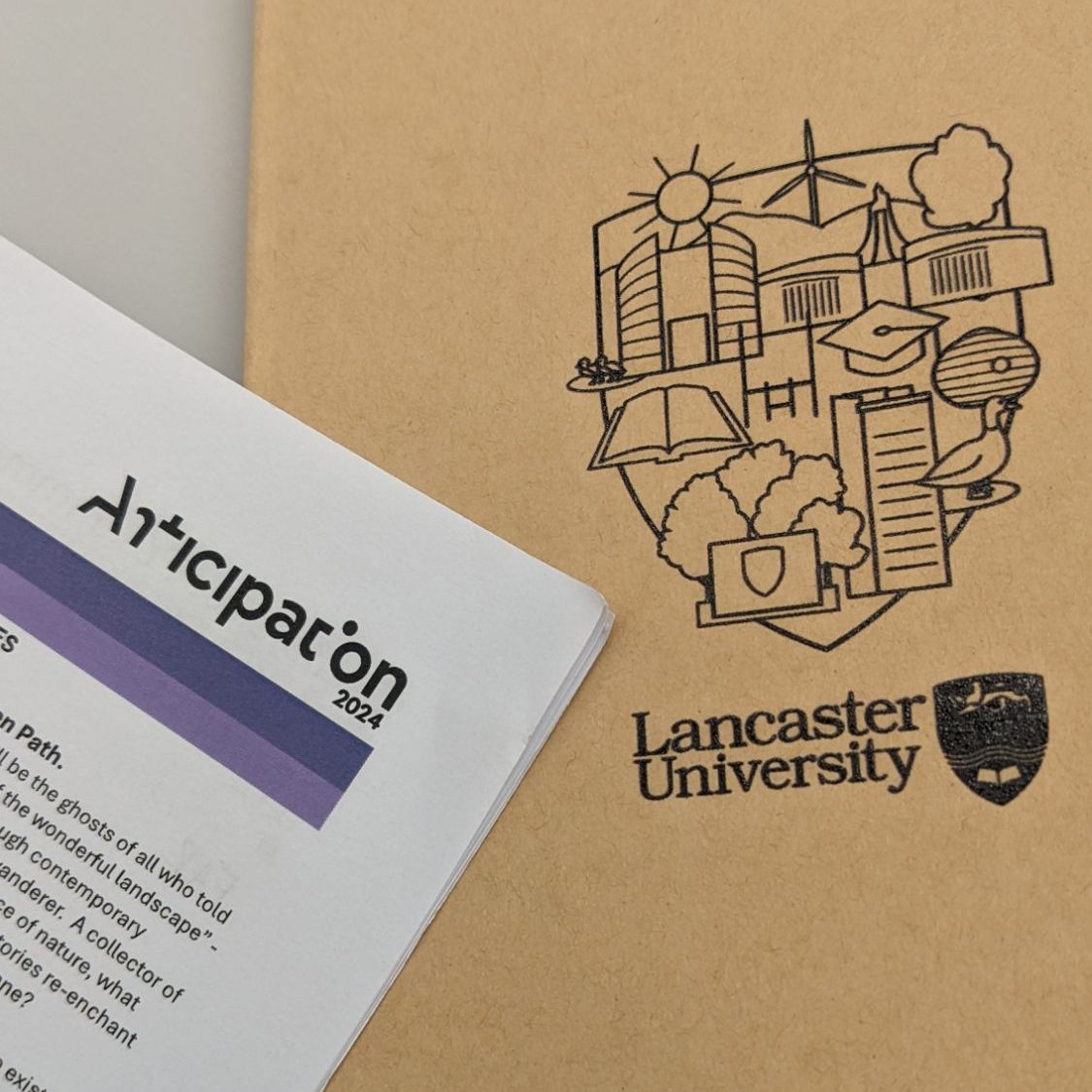
At Anticipation, we facilitated the full workshop and quickly realized the breadth of the tool’s applicability. Some participants later incorporated it into academic research; others adapted it for teaching or professional contexts.
What we learned
The tool resonates across cultural and disciplinary backgrounds.
Effective facilitation begins with helping people understand why positionality matters before introducing the tool itself.
This was our first true “stress test,” and it demonstrated that the Power Flower had the potential to travel far beyond its original scope.
This iteration also deepened our understanding of how to scaffold the experience so that people feel supported while reflecting.
At Anticipation, we facilitated the full workshop and quickly realized the breadth of the tool’s applicability. Some participants later incorporated it into academic research; others adapted it for teaching or professional contexts.
What we learned
The tool resonates across cultural and disciplinary backgrounds.
Effective facilitation begins with helping people understand why positionality matters before introducing the tool itself.
This was our first true “stress test,” and it demonstrated that the Power Flower had the potential to travel far beyond its original scope.
This iteration also deepened our understanding of how to scaffold the experience so that people feel supported while reflecting.
2025: SDN Next Generation Conference (Online Delivery)
2025: SDN Next Generation Conference (Online Delivery)
Team
Team
Morgan Bath
Danny Ghantous
Morgan Bath
Danny Ghantous
This iteration gave us our first opportunity to deliver the Power Flower entirely online. Participants completed the tool digitally and anonymously, which created an unexpected but meaningful dynamic: without the social pressure of being physically in a room together, people often filled out their flowers with greater honesty and vulnerability.
This iteration gave us our first opportunity to deliver the Power Flower entirely online. Participants completed the tool digitally and anonymously, which created an unexpected but meaningful dynamic: without the social pressure of being physically in a room together, people often filled out their flowers with greater honesty and vulnerability.
Instead of breakout groups, everyone stayed in one shared virtual space. After completing their flowers, we facilitated a collective conversation that quickly became the centerpiece of the session.
Instead of breakout groups, everyone stayed in one shared virtual space. After completing their flowers, we facilitated a collective conversation that quickly became the centerpiece of the session.
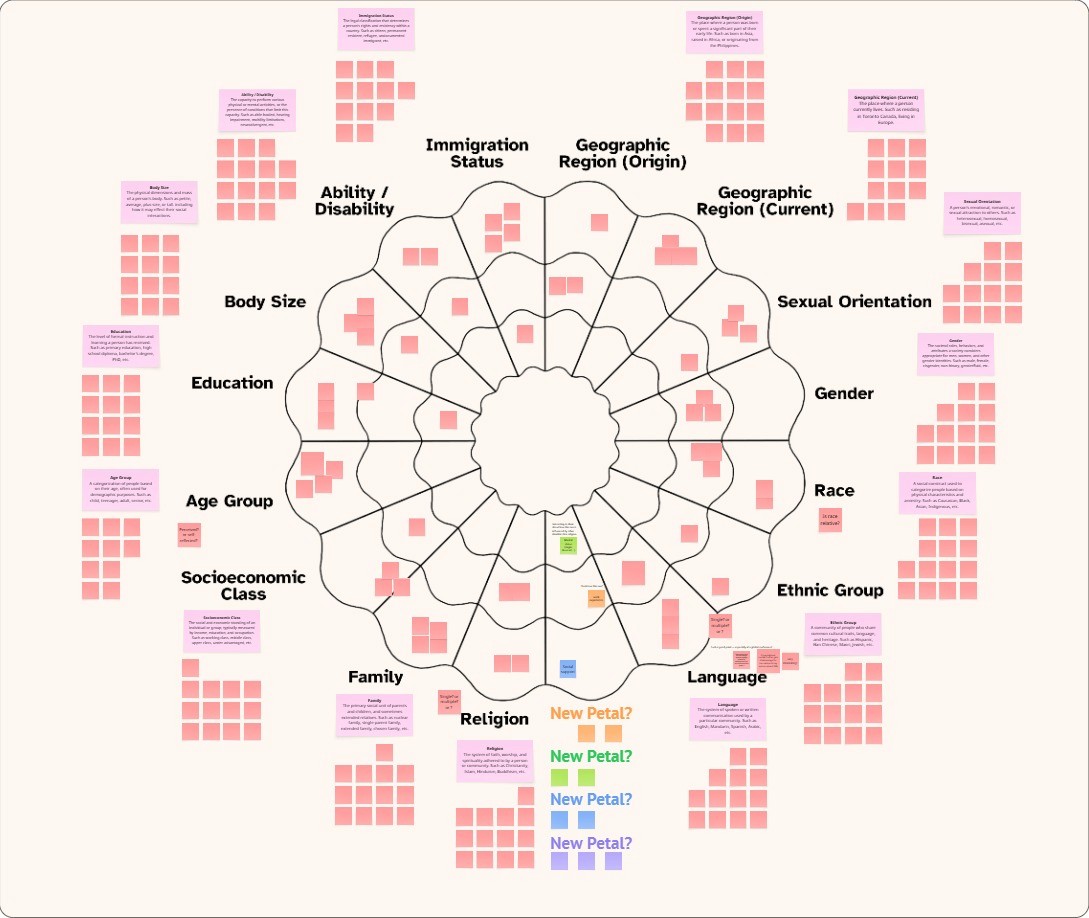
What we Learned
What we Learned
Online delivery can create new forms of safety for reflection.
Anonymity leads to more candid self-assessment.
Even without small groups, the tool still fosters connection and shared insight.
The facilitated conversation is often the most generative part of the experience—people consistently want more time to discuss what emerges.
This confirmed that the Power Flower is modality-flexible and that conversation, not just the diagram, is the heart of the work.
Online delivery can create new forms of safety for reflection.
Anonymity leads to more candid self-assessment.
Even without small groups, the tool still fosters connection and shared insight.
The facilitated conversation is often the most generative part of the experience—people consistently want more time to discuss what emerges.
This confirmed that the Power Flower is modality-flexible and that conversation, not just the diagram, is the heart of the work.
August 2025: APF Conference: Future of Creativity & Compassion (Participatory Installation)
August 2025: APF Conference: Future of Creativity & Compassion (Participatory Installation)
Team
Team
Morgan Bath
Danny Ghantous
Morgan Bath
Danny Ghantous
This iteration marked the biggest shift in how the Power Flower was shared. Instead of facilitating a workshop, we created an interactive, multi-poster installation that introduced the tool, its history, its evolution, and instructions for completing it. This was also the stage where, based on two years of workshop feedback, Danny and I added two new identity petals and refined several category definitions to better reflect users’ experiences.
This iteration marked the biggest shift in how the Power Flower was shared. Instead of facilitating a workshop, we created an interactive, multi-poster installation that introduced the tool, its history, its evolution, and instructions for completing it. This was also the stage where, based on two years of workshop feedback, Danny and I added two new identity petals and refined several category definitions to better reflect users’ experiences.
For the first time, we stepped back and allowed the tool to work without direct facilitation. Participants accessed the digital flower on their phones and completed it independently. As people understood it, they became champions—walking others over, explaining the tool, and encouraging participation. The installation grew through word of mouth.
We updated a collective power flower throughout the three-day conference using anonymous submissions, then added prompts responding to visible clusters or gaps in the collective data.
For the first time, we stepped back and allowed the tool to work without direct facilitation. Participants accessed the digital flower on their phones and completed it independently. As people understood it, they became champions—walking others over, explaining the tool, and encouraging participation. The installation grew through word of mouth.
We updated a collective power flower throughout the three-day conference using anonymous submissions, then added prompts responding to visible clusters or gaps in the collective data.
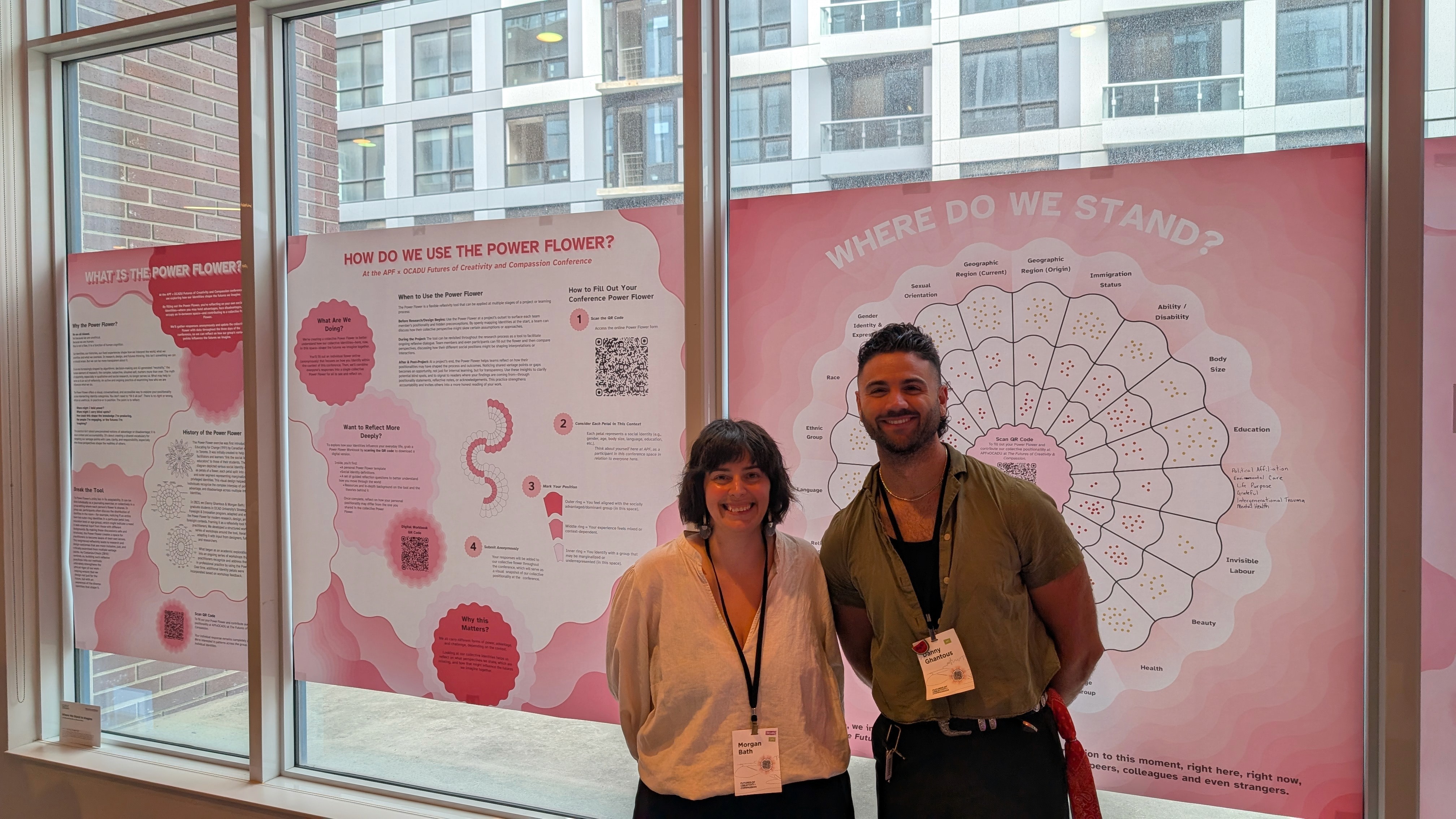
What we Learned
What we Learned
The tool needs better accessibility when facilitators aren’t present; future iterations will include audio and video guidance.
People are naturally curious about the tool, and once they understand it, they want others to experience it too.
Both analog and digital formats are needed to reduce barriers to entry.
Collective mapping of positionality can spark conversations that ripple well beyond the original activity.
This iteration expanded our imagination of what the tool could become something ongoing, collective, and potentially automated in future iterations.
The tool needs better accessibility when facilitators aren’t present; future iterations will include audio and video guidance.
People are naturally curious about the tool, and once they understand it, they want others to experience it too.
Both analog and digital formats are needed to reduce barriers to entry.
Collective mapping of positionality can spark conversations that ripple well beyond the original activity.
This iteration expanded our imagination of what the tool could become something ongoing, collective, and potentially automated in future iterations.
Download Workshop Assets for Free
References
References
Crenshaw, K. (1989). Demarginalizing the intersection of race and sex: A black feminist critique of antidiscrimination doctrine, feminist theory, and antiracist politics. University of Chicago Legal Forum, 1989(1).
Korteling, J. E., Brouwer, A.-M., & Toet, A. (2018). A neural network framework for cognitive bias. Frontiers in Psychology, 9. https://doi.org/10.3389/fpsyg.2018.01561
Olmos-Vega, F. M., Stalmeijer, R. E., Varpio, L., & Kahlke, R. (2022). A practical guide to reflexivity in Qualitative Research: Amee guide no. 149. Medical Teacher, 45(3), 241–251. https://doi.org/10.1080/0142159x.2022.2057287
Crenshaw, K. (1989). Demarginalizing the intersection of race and sex: A black feminist critique of antidiscrimination doctrine, feminist theory, and antiracist politics. University of Chicago Legal Forum, 1989(1).
Korteling, J. E., Brouwer, A.-M., & Toet, A. (2018). A neural network framework for cognitive bias. Frontiers in Psychology, 9. https://doi.org/10.3389/fpsyg.2018.01561
Olmos-Vega, F. M., Stalmeijer, R. E., Varpio, L., & Kahlke, R. (2022). A practical guide to reflexivity in Qualitative Research: Amee guide no. 149. Medical Teacher, 45(3), 241–251. https://doi.org/10.1080/0142159x.2022.2057287